
Significance of Saleh Building in Dubai's Real Estate


Intro
The Saleh Building stands as a beacon in the ever-evolving landscape of Dubai's real estate. More than just a concrete structure, it weaves a narrative that speaks to the city's rapid growth and the dynamic shifts in architectural tastes over the decades. This article delves into the intricate aspects of the Saleh Building, evaluating its historical value, unique design, and place in the bustling property market of Dubai.
As we embark on this journey, it's essential to appreciate how the Saleh Building sits at the crossroads of tradition and modernity. Its significance extends beyond its physical presence, influencing economic activity, shaping community interactions, and presenting varied investment opportunities. In exploring these themes, this examination aims to enlighten investors, residents, and professionals engaged in Dubai's property landscape.
In the following sections, we will analyze current market trends, historical performances, and investment possibilities surrounding the real estate scene in Dubai, especially as they pertain to iconic structures such as the Saleh Building.
Overview of the Saleh Building
The Saleh Building stands as a landmark that reflects not just its unique architectural style but also the changing dynamics of Dubai's real estate environment. Its presence in the bustling cityscape offers insights into the region's evolving needs for both residential and commercial spaces. Understanding the Saleh Building is crucial for investors and residents alike, as it embodies the blend of culture, convenience, and modernity that arrows through Dubai's rapid development.
Location and Accessibility
Nestled in a prime area, the Saleh Building enjoys proximity to key infrastructure that enhances its appeal. Located near prominent highways, it provides easy access to various parts of the city, which is a boon for residents and business professionals. Public transport options are plentiful, with buses and metro stations within walking distance. This accessibility makes it a prime choice for individuals seeking to navigate the city without hitting traffic snags. Moreover, its neighborhood offers a mix of cafes, shops, and recreational facilities, making daily life convenient and vibrant.
Architectural Features and Design
The architectural style of the Saleh Building is both functional and aesthetically pleasing, featuring a blend of traditional and modern design elements. The façade reflects contemporary tastes while incorporating subtle nods to local heritage, creating a sense of belonging for the residents. Spanning multiple floors, the building is designed with an eye for spacious yet intimate environments. Large windows grant ample natural light, enhancing the feeling of openness within each unit. The design also emphasizes sustainability, with energy-efficient systems installed to minimize carbon footprint—a crucial consideration in today's climate-conscious world.
Significance in Dubai's Architecture
In the broader spectrum of Dubai's architectural landscape, the Saleh Building holds a noteworthy position. It serves as an example of how urban spaces can be developed without losing sight of cultural identities. Emblematic of Dubai’s rapid evolution, the building showcases the embrace of modernity while respecting traditional influences. As new developments rise around it, the Saleh Building stands firm, offering a tangible link to the city's past amidst its futuristic ambitions. This balance makes it a vital piece of the puzzle in understanding the architectural narrative of Dubai.
"The Saleh Building is not just a structure; it’s a testament to Dubai's journey, capturing the essence of its past while looking forward to its ambitious future."
In summary, the Saleh Building deserves close examination not only for its architectural merits but also for its strategic location and the role it plays in the city's urban narrative. Investors looking to navigate Dubai's lively property market would be wise to consider the complexities and significance that revolve around this prominent landmark.
Historical Context
Understanding the historical context of the Saleh Building is crucial for investors, realtors, and buyers who wish to grasp its significance in the broader landscape of Dubai's real estate. This section delves into the origins and evolution of the building, providing insights into its infrastructure, design philosophy, and how it has influenced the local market over time.
Origins and Construction
The Saleh Building's inception dates back to a period when Dubai was undergoing a transformative shift, transitioning from a modest trading hub to a booming metropolis. Constructed in the early 2000s, it reflects the rapid economic growth of the era. The architects took great care to incorporate elements of traditional Arabic design while ensuring modern functionality. It was built using high-quality materials sourced locally and internationally, which speaks volumes about the intent to craft a long-lasting structure.
Key Aspects of Origins and Construction:
- Material Selection: The choice of concrete, glass, and steel underpins the building's robust design, ensuring longevity against Dubai's harsh climate.
- Cultural Influence: Infused with Arabic architectural motifs, the building stands as a tribute to the region's heritage, appealing to both locals and international investors.
- Construction Timeline: Despite challenges like supply chain issues and weather conditions, the building was completed on schedule, reflecting the efficiency of the construction companies involved.
Evolution Over the Years
Since its completion, the Saleh Building has witnessed several phases of evolution. Initially, it served primarily as a commercial space, attracting businesses looking to establish a foothold in Dubai. Over time, its role has diversified, catering to a mix of residential and commercial tenants.
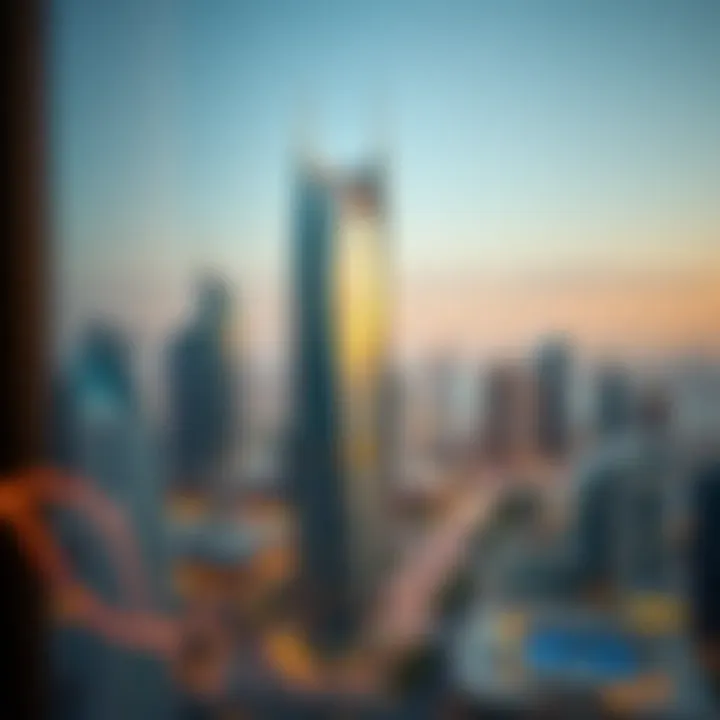
The continuous demand for space in Dubai has spurred incremental renovations and upgrades to the Saleh Building. Landlords have made conscious efforts to adapt to market trends, maintaining its appeal. This evolution mirrors the broader real estate market in Dubai, characterized by adaptability and resilience.
Notable Changes Over the Years:
- Tenant Mix: The facade now hosts shops, offices, and residential units, giving it a bustling atmosphere.
- Modernization Efforts: Upgrades to HVAC systems and energy-efficient technologies ensure sustainability and cost-effectiveness.
- Symbol of Growth: The building has become a landmark in the area, often referenced in discussions about Dubai's architectural evolution.
"The Saleh Building is not just a structure; it's a narrative of Dubai's aspirations and adaptability in the face of global competition."
The historical context of the Saleh Building thus weaves together the elements of its construction and evolution, underscoring its significance in Dubai's property landscape. With a rich backstory and ongoing developments, the building remains a focal point for insights into real estate trends and community growth.
Market Insights
Understanding the market dynamics surrounding the Saleh Building is essential for comprehending its role in Dubai’s real estate fabric. In today's competitive climate, in-depth knowledge of market insights not only benefits investors and realtors but also equips buyers and renters with the necessary information to make informed decisions. The significance of this section lies in bringing forward current property values and the potential for investment, specifically tailored to the nuances of Dubai's ever-evolving property landscape.
Current Property Values
The value of properties near or within the Saleh Building is heavily influenced by myriad factors that affect Dubai's real estate market. Recent analysis shows that properties in this locality have experienced a surge in demand due to several factors:
- Location: With the Saleh Building situated at a pivotal area of the city, its accessibility to key business districts and lifestyle amenities enhances its attractiveness.
- Economic Trends: Shifts in the overall economic climate, such as increased foreign investment or local policy changes, impact property values directly.
- Supply and Demand: The balance between available units and the number of potential tenants or buyers significantly influences prices. At present, due to a limited supply of integrated developments like the Saleh Building, property values have seen an uptick.
A recent report from the Dubai Land Department noted a remarkable appreciation in property prices in the vicinity, making it an attractive proposition for both current and prospective property owners. Indeed, an average price per square foot has risen, denoting a strong potential for appreciation. This hike represents a reflection of the building's standing, not only as a residential or commercial hub but also as a cultural landmark.
"Recent statistics indicate that properties surrounding historical monuments like the Saleh Building enjoy a premium, often up to 15% higher than those in less iconic locations."
Investment Potential
Investing in properties surrounding the Saleh Building is like catching a wave just as it starts to rise—not always easily visible, but promising once you understand the underlying currents. Here are several considerations surrounding the investment potential of this area:
- Cultural Heritage: As a notable structure within Dubai, the Saleh Building attracts tourists and provides a unique charm that could lead to consistent rental income.
- Regulatory Environment: The UAE government frequently updates real estate regulations to attract international investors, thus providing a safer investment environment.
- Future Development Plans: Upcoming infrastructural improvements and urban projects around the Saleh Building are likely to push property values even higher, fostering a favorable climate for those who invest early.
- Diversification: With the real estate market not experiencing a one-size-fits-all approach, properties around the Saleh Building offer diversity. Whether one seeks residential, commercial, or mixed-use developments, the opportunity exists here.
Role within the Community
The Saleh Building stands as a pivotal component within Dubai's architectural tapestry, intertwining itself with the local community and contributing to the overall socio-economic fabric of the city. This section delves into the various ways the building impacts its surroundings, emphasizing why its role within the community is not merely architectural but also cultural and economic.
Cultural Significance
The Saleh Building is not just another concrete structure; it embodies a cultural narrative that speaks to the heart of Dubai's rapidly evolving identity. Engaging with the community, it plays a vital part in local traditions and festivities. For example, the annual art exhibitions hosted within its walls offer a platform for local artists to showcase their work, fostering a sense of pride and connectivity among residents. This emphasizes local craftsmanship and highlights the vibrancy of the Emirati culture.
In addition, the building often serves as a backdrop for various cultural events, allowing residents to mingle, celebrate, and reflect on their heritage. The visual appeal of the Saleh Building, with its unique design, becomes a symbol of place in the city, allowing people to take pride in their community. Community initiatives, such as workshops on traditional crafts or culinary arts, are regularly organized, making the building a living space of culture.
Contribution to Local Development
Local development is intrinsically linked to the presence of significant structures like the Saleh Building. More than just a residential or commercial entity, it is a catalyst for economic growth. The nearby neighborhoods benefit both socially and economically from its operations. With businesses operating within or around this landmark, the local economy sees a boost through job creation and increased foot traffic. Furthermore, its existence supports various services, from retail to dining, reinforcing the vibrancy of the community.
Moreover, the Saleh Building’s design encourages sustainability and modernity, which attracts a diverse range of tenants from expatriates to locals looking for a communal living experience. The mixed-use nature allows for a blend of residential, commercial, and recreational opportunities, creating a rich urban experience.
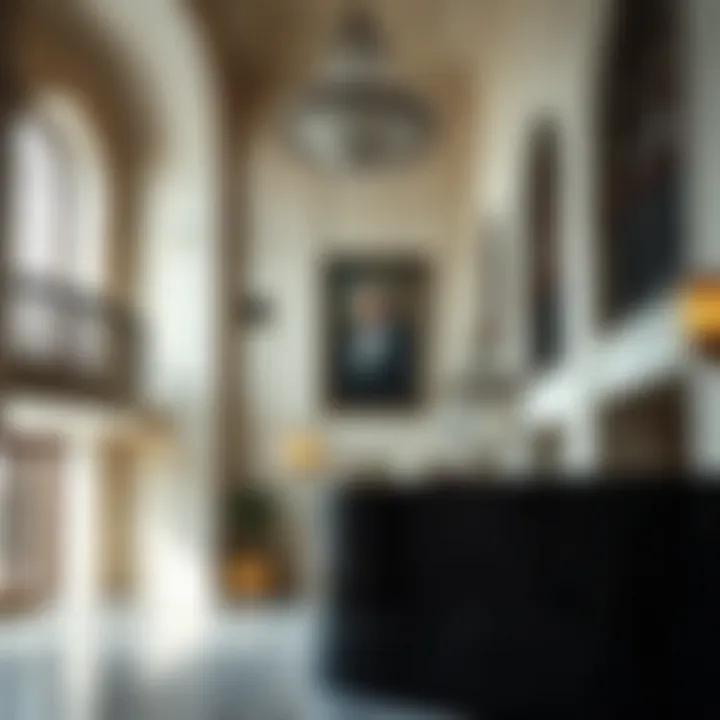
In urban planning discussions, the Saleh Building is often referenced as a successful model that exemplifies how architecture can influence community infrastructure and services. Public spaces around the building, such as parks or plazas, are often designated to support local gatherings and events, further enhancing community cohesion. The result is a thriving locale where residents feel a sense of belonging and connection to a shared future.
"The Saleh Building is a testament to how thoughtful design can enhance community interaction and development."
Through these contributions, it is clear that the Saleh Building is more than just a physical landmark; it is a vital part of the social, cultural, and economic framework that shapes the community it serves.
Navigating the Real Estate Market
Understanding the real estate market in Dubai is crucial for anyone looking to invest, buy, or rent properties. The landscape is dynamic and multifaceted, characterized by rapid changes influenced by economic trends, tourism, and local regulations. In this section, we will unravel the key elements involved in navigating this vibrant market while focusing on particular aspects such as buying properties and rental opportunities.
Buying Properties in Dubai
Purchasing a property in Dubai can be a thrilling yet challenging experience. With its diverse neighborhoods, each boasting its unique charm and value, it’s vital to approach the process with a well-informed strategy. Here are the most significant facets to consider:
- Research Neighborhoods: Familiarize yourself with areas like Downtown Dubai, Dubai Marina, and Jumeirah, as property values differ vastly. Each locale offers varying lifestyles, amenities, and investment opportunities.
- Understand the Law: Knowing the laws governing property ownership is crucial. While foreigners can own properties in certain areas through freehold agreements, there are restricted zones as well. It’s advisable to consult with a local real estate expert or attorney who can clarify these laws for you.
- Evaluate Property Value: Look beyond the price tag. Assess property value based on location, size, and market trends. This can involve examining recent sales data or market reports available on portals like bayut.com or propertyfinder.ae.
- Financing Options: Various financing options exist for buyers in Dubai, including mortgages from local banks and financial institutions. Familiarize yourself with the requirements and rates, as they can influence your purchasing power.
- Inspection and Due Diligence: Before sealing the deal, conduct a thorough inspection of the property. Ensure there are no hidden issues, and the documentation is in order, as having your ducks in a row saves considerable headache down the line.
In summary, buying a property in Dubai requires careful thought and research. It’s not merely about choosing a place to live, but an investment in your future.
Rental Opportunities
The rental market in Dubai is known for its diversity, catering to both luxury interests and more modest budgets. Understanding this aspect is equally essential.
- Types of Rentals: From serviced apartments in the heart of the city to quaint villas in suburban areas, options are plentiful. Whether you’re a short-term visitor or looking for long-term accommodation, Dubai offers units suited to every need.
- Market Trends: Track how rental prices fluctuate. The market can be sensitive to changes in tourism, economic growth, and becoming a hub for international businesses. Websites like dubizzle.com can provide insights into current rental prices.
- Lease Agreements: Familiarize yourself with the rental laws and lease agreements in Dubai. Understanding your rights and responsibilities, including terms of tenancy and deposit clauses, can help avert disputes in the future.
- Negotiation Skills: Learn to negotiate effectively. Landlords may be open to discussions on rental terms and rates, especially if you’re willing to commit to a longer lease.
- The Role of Real Estate Agents: Engaging a reputable real estate agent can simplify the search process. Their local insights can help you find properties that fit your requirements while navigating complex paperwork and providing guidance.
Navigating the real estate market in Dubai necessitates strategic insights into both buying and rental markets. With careful research, understanding local laws, and employing astute negotiation, investors and renters alike can successfully maneuver through this vibrant landscape.
Investment Considerations
When looking at the Saleh Building's role in Dubai's real estate, it's crucial to dive into investment considerations. Investors, whether they are seasoned players or newcomers, need to understand the landscape of opportunities and challenges associated with this iconic property. This knowledge can pave the way for smarter investments and potentially higher returns.
In the current market, assessing the Saleh Building involves evaluating several aspects:
- Location: The location remains paramount in real estate. Positioned centrally, Saleh Building boasts proximity to business districts and leisure hubs alike. Investors looking to rent out units are likely to find a steady stream of tenants considering the building's desirable address.
- Market Trends: Keeping an ear to the ground helps to gauge fluctuations in property value. The demand for properties in Dubai is often influenced by external factors such as tourism, global economic conditions, and regional geopolitical dynamics. A thorough market analysis can reveal timing opportunities for potential buyers.
- Roi Potential: Rental yields in Dubai can be enticing. This is particularly true for properties like the Saleh Building, where demand for quality accommodations remains high. Investors should calculate potential returns, taking into account property management costs and other overheads.
- Urban Developments: Future developments or infrastructure projects can impact property values considerably. The ongoing metamorphosis of Dubai’s skyline indicates that areas adjacent to the Saleh Building may see a spike in desirability and, thus, rental prices.
- Tax Benefits and Regulations: Investors should familiarize themselves with tax implications and regulations concerning property ownership. Understanding these nuances can allow informed decisions and improve profitability.
Risk and Reward Analysis
Investments inherently carry risks. The Saleh Building, while offering potential benefits, is no exception. Here are some vital points to weigh in on:
- Market Volatility: The Dubai real estate market can experience fluctuations based on economic cycles. Investors must be prepared for sudden downturns in property values and rental prices.
- Regulatory Changes: The UAE's regulatory framework can change, affecting ownership laws and rights. Staying informed about any regulatory shifts is essential to avoid unpleasant surprises.
- Vacancy Risks: Despite the location and infrastructure advantages, high vacancy rates could lead to lower returns. Investors should analyze trends in occupancy rates to ensure a stable income stream.
Pros:
- Strong tourism sector boosts rental demand.
- Structural integrity and aesthetic allure of Saleh Building attract higher-caliber tenants.
Cons:

- Economic downturns may impact rental prices.
- Possible oversupply issues in some segments of the market.
Long-Term Growth Indicators
Examining the prospects for long-term growth, several indicators shed light on the Saleh Building’s potential:
- Economic Growth: The overall growth of Dubai’s economy suggests that demand for commercial and residential properties will remain robust in the coming years, bolstering confidence in investments related to the Saleh Building.
- Future Projects: Announcements regarding future projects in the vicinity can stimulate interest in the building and heighten its value. Monitoring municipal development plans can inform investor decisions.
- Workforce Influx: An increase in the expatriate population looking for a long-term residence can be an excellent signal for stability and rent profitability.
Factors like these can guide investors in gauging potential long-term scenarios and crafting strategies that align with their investment objectives.
To sum up, considerations for investment in the Saleh Building hinge on a mix of market forces, regulatory context, and broader economic indicators. Careful introductions of risk analyses alongside growth indicators can lead to informed investment decisions that capitalize on Dubai's dynamic real estate scene.
Future of Saleh Building
The future of the Saleh Building is a subject of keen interest, given its status and role within Dubai’s ever-evolving real estate landscape. With rapid urbanization and shifting demographic trends, understanding the potential changes and upgrades to this iconic structure is pivotal for stakeholders involved in the property market. Investors, realtors, and developers are particularly attentive to how renovations could enhance the building's appeal and value, while also considering the impact on community engagement and local culture.
Potential Renovations and Upgrades
As Dubai continues to push the envelope in terms of architectural innovation, the Saleh Building is poised for potential renovations aimed at modernizing its facilities while retaining its historical significance. Here are some key renovation avenues:
- Facade Enhancements: Updating the exterior design may involve incorporating sustainable materials or energy-efficient technologies that reflect contemporary ideals without detracting from the building’s character. Architectural firms may integrate elements like green walls or reflective glass to enhance energy efficiency and aesthetics.
- Smart Building Features: With the rise of smart technology in urban living, adding IoT devices for better management of resources can improve functionality. This could include smart lighting systems, enhanced security features, and integrated management systems that make operating the building simpler and more efficient.
- Community Spaces: Current trends in real estate emphasize the importance of community integration. Renovations could focus on creating communal spaces, such as rooftop gardens or leisure areas, which can turn the Saleh Building into a hub for social interaction and local events.
By taking these steps, the Saleh Building could not only improve its own market competitiveness but also contribute positively to the surrounding environment, creating an opportunity for growth in real estate interest in the area.
Impact on Property Value
The impact of potential renovations on the property value of the Saleh Building cannot be understated. Investors keen on maximizing their returns must consider several facets:
- Increased Demand: With modernization, the building is likely to attract a more diverse array of tenants, from young professionals to families, thereby increasing occupancy rates which directly impacts overall property values.
- Rising Market Trends: As high-demand neighborhoods evolve, older buildings that manage to stay relevant through thoughtful upgrades can often see skyrocketing property values. This is particularly true in Dubai, where the appetite for mixed-use developments is strong.
- Historical Context: A key factor is the Saleh Building’s heritage; when renovations preserve elements of its history, they not only attract buyers interested in character but also promote sentimentality that can enhance its market stature.
"Modern upgrades to the Saleh Building can open doors to new opportunities, enhancing community ties while simultaneously boosting its market value."
The advantages of investment in future renovations at the Saleh Building extend far beyond immediate financial gain, positioning it as a landmark that respects its roots while reaching for the skyline. As the real estate market in Dubai continues to flourish, the Saleh Building stands ready, not just to adapt, but to thrive in this dynamic environment.
Ending
The Saleh Building stands as a significant pillar in Dubai's ever-evolving real estate landscape. As this article has demonstrated, it encapsulates a blend of historical depth, architectural innovation, and a vibrant role within the community. Such buildings do not merely exist as structures; they act as beacons of cultural identity and investment potential, making them vital for both locals and international investors alike.
Recap of Key Findings
Through careful examination, several key insights emerge from the analysis of the Saleh Building:
- Historical Value: This structure is rooted in a rich history that reflects the rapid changes Dubai has undergone.
- Architectural Design: Its unique architectural features make it standout amidst modern developments, reflecting the innovative spirit of the city.
- Investment Potential: With current property values being robust, the Saleh Building offers promising returns for investors seeking to enter the Dubai market.
- Community Role: The building contributes to local culture and community development, enriching the social fabric of the area.
These findings paint a comprehensive picture that underscores the importance of the Saleh Building not just from an architectural standpoint but also in its impact on the local economy and lifestyle.
Implications for Investors and Buyers
For those considering a foray into Dubai's real estate market, the Saleh Building serves as a compelling case study:
- Investment Strategy: Recognizing its historical significance can aid investors in positioning their assets more effectively within the market.
- Cultural Appeal: Properties with strong cultural ties tend to attract higher demand, making the Saleh Building a unique opportunity for buyers interested in heritage properties.
- Market Trends: Keeping an eye on developments associated with the Saleh Building could provide clues about broader market trends and shifts.
- Potential Resale Value: As Dubai continues to grow, the significance of established buildings is likely to rise, enhancing resale potential in the future.